Cannabis Operations
From first license to vertical integration — coverage written by an agent who understands cultivation, dispensary, processing, and transportation operations.
From early planning through vertical integration, coverage and advocacy that follow your cannabis business at every stage.
Complete coverage that shields your cannabis business from real risks, so you can focus on growing.
From quoting to claims, we represent your interests — not the carrier's. We push back on declines and unclear policy language.
Stay ahead of evolving cannabis regulations with proactive guidance on attestations, license renewals, and state requirements.
We're here long after your policy is in place. As your business grows or shifts, your coverage moves with it through annual reviews.
Each coverage is subject to underwriting and policy form. Your specific program depends on your operation, state, and risk profile.
Protection if a customer is harmed by your products — ingestibles, vapes, concentrates. Covers legal costs and damages from defects or contamination.
Safeguards data, payments, and METRC information from breaches and ransomware. Covers recovery costs and legal fees.
Personal liability protection for leaders making business decisions. Keeps leadership focused on growth, not personal exposure.
From grow operations to retail stores — coverage for buildings, equipment, and inventory against fire, theft, and vandalism.
Vehicle coverage for delivery, transport, and on-the-road operations. Coordinates with cargo coverage for cannabis loads.
Medical, lost wages, and disability protection for employees injured on the job. Required by state law in most states.
All coverage is subject to underwriting. No coverage is bound or altered until confirmed by an authorized Spire representative.
No — many generalist policies only cover your building and equipment, not the cannabis itself.
Standard commercial forms often carry marijuana, hemp, THC, or Schedule I exclusions buried in the fine print, leaving your flower, concentrates, finished goods, and cash exposure uninsured. A properly structured cannabis policy explicitly covers inventory at every stage — plant to finished product — plus the business operations around it. Spire reviews policy forms for these exclusions before they become a claim problem.
Many cannabis businesses discover too late that their policy covers the building but excludes the actual cannabis inventory because of marijuana, hemp, THC, or Schedule I exclusions buried in the form.
A properly structured cannabis insurance program should clearly address your flower, concentrates, finished goods, plants, cash exposure, and business operations. This is one of the biggest differences between a true cannabis policy and a standard commercial policy adapted for cannabis.
At Spire, we review policy forms carefully to identify exclusions and gaps before a claim happens.
Cannabis insurance costs more because carriers price for concentrated, high-value, and harder-to-replace risk.
Premiums are driven by operation type, revenue, payroll, property and inventory values, security controls, claims history, extraction methods, delivery exposure, and multi-state operations. Many businesses overpay simply because they're misclassified or missing underwriting information insurers need to price fairly. The fix isn't chasing a lower premium — it's structuring coverage correctly from the start to control long-term cost.
Cannabis insurance pricing is driven by several major factors including:
• Type of operation
• Annual revenue
• Payroll
• Property values
• Cannabis inventory values
• Security controls
• Claims history
• Extraction methods
• Delivery exposure
• Multi-state operations
Many businesses are also paying too much because they are improperly classified, over-insured in some areas, or missing critical underwriting information.
A strong insurance strategy is not just about lowering premium, it is about structuring coverage correctly while controlling long-term cost.
The most common gaps are cannabis inventory excluded from property coverage, cargo exclusions during transport, and missing crime or cyber coverage for POS and METRC systems.
Other frequent misses include ingestibles excluded under product liability, incorrect equipment values, no product recall coverage, workers' comp issues with leased employees or PEOs, and inadequate business interruption limits. A certificate of insurance doesn't guarantee coverage — the real gaps live in the policy wording.
Some of the most common coverage gaps we see include:
• Cannabis inventory excluded from property coverage
• Cargo exclusions during transportation
• Ingestibles excluded under product liability
• Incorrect equipment values
• Cyber liability missing for POS and METRC systems
• No coverage for product recalls
• No crime or cash coverage
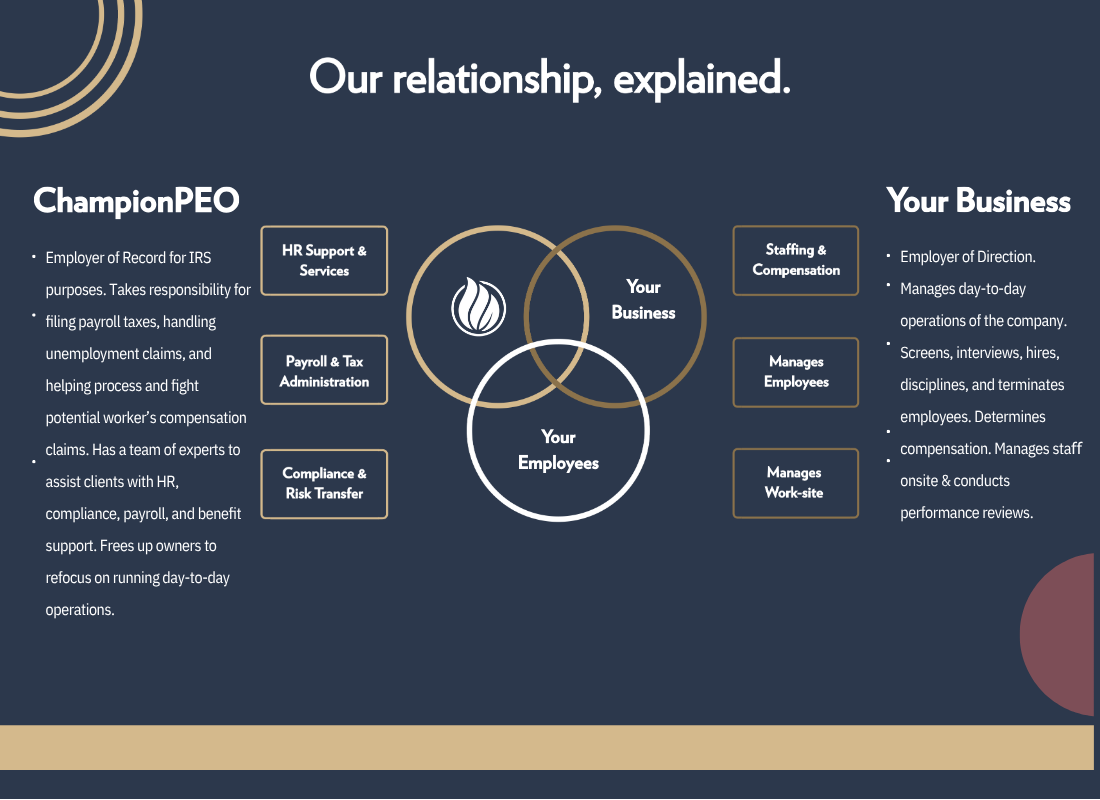
• Workers compensation issues with leased employees or PEOs
• Inadequate business interruption coverage
Many operators assume they are covered because they have a certificate of insurance. The real answer is always inside the policy wording.
Yes — Spire coordinates coverage across multiple entities, states, and operational exposures as cannabis businesses expand into cultivation, processing, manufacturing, distribution, and retail.
This matters most for larger operators with investors, management groups, real estate entities, and transportation operations, where a single local policy no longer covers the full structure. We help ownership teams understand how every piece of the insurance program works together.
Yes. Many cannabis operators outgrow local insurance programs as they expand into cultivation, processing, manufacturing, distribution, and retail.
We help cannabis businesses coordinate coverage across multiple entities, locations, and operational exposures while helping ownership teams understand how the entire insurance structure works together.
This becomes especially important for larger operators with investors, management groups, real estate entities, and transportation operations.
Spire advocates for you throughout the claims process, not just at the point of sale.
Cannabis claims often involve unique valuation issues, regulatory concerns, inventory documentation, and disputes over marijuana exclusions — our claims team, led by Chief Claims Officer Katherine Rolfe, handles review and negotiation on your behalf. The goal is no surprises when you need the policy most. Visit our Claims page to file a claim.
Claims handling is where the quality of your insurance program truly matters.
Cannabis claims often involve unique valuation issues, regulatory concerns, inventory documentation requirements, and disputes around marijuana exclusions.
Our role is not just placing coverage. We help advocate for clients during the claims process and push for clarity when coverage questions arise. We also have a claims team led by our Chief Claims Officer, Katherine Rolfe, to help with review, negotiation, etc.
The goal is helping clients avoid surprises when they need their policy most. To file a claim, visit our Claims page for more information.
Most state cannabis licenses require proof of general liability, product liability, workers' compensation, and property coverage, plus commercial auto, cargo, and surety bonds depending on your license type.
Cyber and excess liability are increasingly required as well. Landlords, lenders, investors, and licensing authorities often add their own limits or additional-insured requirements before operations can begin. Requirements vary by state — confirm current minimums with your agent.
Requirements vary by state, but cannabis businesses commonly need some combination of:
• General liability
• Product liability
• Workers compensation
• Property coverage
• Commercial auto
• Cargo coverage
• Surety bonds
• Cyber liability
• Excess liability
Many landlords, lenders, investors, and state licensing authorities also require specific limits, additional insured wording, or proof of coverage before operations begin.
We help clients understand both regulatory requirements and practical business risks.
Free cannabis resource
See exactly what underwriters need to quote your cannabis or hemp account fast — and price it fairly. Grab our free one-page checklist of what makes a “golden account” and what to have ready before you go to market.
Get the checklist“Great service and awesome people who always put our needs first. Very helpful in finding out what potential problems there could be and being proactive on getting us covered.”
Cannabis-specialty agents based in Traverse City and Detroit, working accounts across 16 states.

Vice President · CIC, CICS

Account Manager · CAWC
Schedule a quick call with a Spire agent. We'll learn your operations and walk you through what coverage looks like for businesses like yours — with no pressure to bind.

.png)