Cannabis in Oklahoma is insured through specialty and surplus-lines programs built for the industry, not through standard business policies. The "best" insurer depends on your operation, license type, and risk profile. An independent specialty agency like Spire shops those cannabis markets and matches Oklahoma medical-cannabis operators to the right program. All coverage is subject to underwriting.
Oklahoma's cannabis market: medical-only, and one of the largest in the country
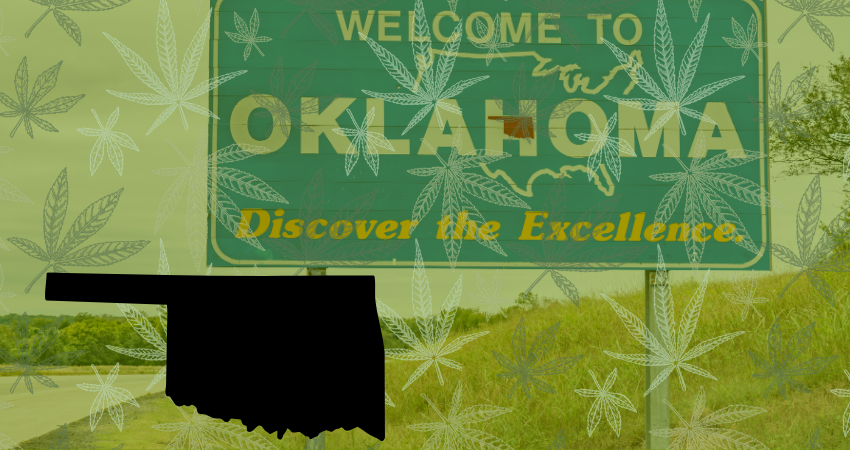
Oklahoma voters approved medical cannabis through State Question 788 in June 2018. The program is regulated by the Oklahoma Medical Marijuana Authority (OMMA). Oklahoma is a medical-only state — adult-use (recreational) was rejected by voters when State Question 820 failed in March 2023. Any Oklahoma cannabis business operates within the medical framework.
What makes Oklahoma unusual is scale. Despite being medical-only, the state built one of the largest per-capita commercial licensee bases in the country. As of OMMA's July 2026 licensing data, Oklahoma had roughly:
- 1,885 licensed growers
- 1,346 licensed dispensaries
- 614 licensed processors
- 49 licensed transporters
- More than 308,000 active patients
OMMA placed a moratorium on new dispensary, grower, and processor licenses beginning August 2022, extended through August 2026. Current licensees can still renew. For operators, that means the market is crowded, competitive, and heavily regulated — and every one of those businesses carries real, industry-specific risk that standard insurance was never designed to handle.
Who needs cannabis insurance in Oklahoma
Every link in the seed-to-sale chain faces a different risk profile. If you hold an OMMA commercial license, your exposure is specific to what you do:
- Dispensaries — foot traffic, cash on premises, theft, product liability, and general liability from customers on-site.
- Growers/cultivators — living crop, equipment, mold and contamination risk, power-dependent grow operations, and property exposure across indoor and outdoor sites.
- Processors/manufacturers — extraction and processing hazards, product liability on concentrates and edibles, and equipment breakdown.
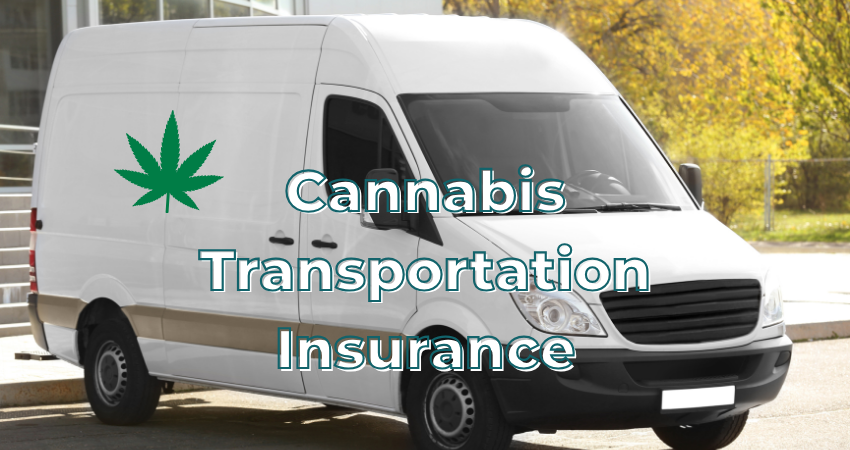
- Transporters/distributors — product in transit, in-transit theft, and auto liability moving inventory between licensed facilities.
Landlords leasing to cannabis tenants, ancillary vendors, and testing labs also carry exposure that many standard carriers won't touch once cannabis is disclosed.
The coverage gaps standard policies leave
Here's the core problem: most standard commercial insurance policies contain exclusions that quietly remove coverage for cannabis operations. A business owner can hold what looks like a normal policy and discover, at claim time, that the cannabis exposure was never covered.
Specialty cannabis programs are written to close those gaps. Depending on your operation and underwriting, coverages commonly include:
- General liability — third-party bodily injury and property damage.
- Product liability — claims tied to the product you sell or manufacture, including edibles and concentrates.
- Property and crop/stock coverage — buildings, equipment, finished inventory, and living plants (living-plant and harvested-product coverage terms vary widely by program).
- Commercial auto — for operators moving product or running fleet vehicles.
- Workers' compensation — required in Oklahoma for most employers with employees.
- Equipment breakdown, cargo/transit, and management liability — depending on the operation.
Read the exclusions closely. In specialty cannabis coverage, the endorsements and exclusions determine whether a policy actually responds — which is exactly where an agency that knows the market earns its place.
A separate note on Oklahoma's rules: OMMA requires commercial grower applicants to post a $50,000 surety bond (or attest to five years of land ownership) under Senate Bill 913. A surety bond is a compliance requirement, not insurance coverage — it protects the state, not your business. You need both, and they are not the same product.
Why a specialty independent agency helps
Cannabis coverage in Oklahoma largely lives in the surplus-lines and specialty market, where programs are not filed the way standard insurance is and terms vary sharply between insurers. A captive agent tied to one carrier can only offer what that carrier writes — and many won't write cannabis at all.
An independent specialty agency works differently. Spire shops multiple specialty cannabis insurers and surplus-lines programs, compares how each one handles your specific exposures, and reads the exclusions so you know what you're actually buying before you bind. Because we work across verticals in regulated and underserved industries, we speak the operational language — grow rooms, extraction, transport manifests, seed-to-sale — not just insurance terms.
How to choose a cannabis insurer in Oklahoma
- Confirm cannabis-specific coverage. A standard policy with cannabis disclosed is not the same as a purpose-built cannabis program.
- Match the program to your license type. Dispensary, grower, processor, and transporter exposures are different — the coverage should reflect that.
- Scrutinize product liability and property terms. These are where cannabis policies vary most.
- Ask how living plants and finished inventory are valued and covered. Crop and stock terms are not standardized.
- Work with an agency that shops the specialty market, so you're comparing real options rather than taking one carrier's word.
FAQ
Is cannabis insurance required in Oklahoma? Oklahoma does not broadly require dispensaries to carry general business insurance to operate, but specific requirements apply — for example, most employers with employees must carry workers' compensation, and OMMA requires commercial growers to post a $50,000 surety bond (or prove five years of land ownership). Beyond mandates, most operators carry liability and property coverage to protect the business. Confirm current requirements with OMMA and an agent.
Is Oklahoma a medical or recreational cannabis state? Medical only. Oklahoma legalized medical cannabis through State Question 788 in 2018 and is regulated by OMMA. A statewide adult-use measure (State Question 820) was rejected by voters in March 2023.
How much does cannabis insurance cost in Oklahoma? Pricing depends on your operation, license type, revenue, location, security, claims history, and the coverages you select. Because cannabis is written in the specialty and surplus-lines market, there is no standard rate — premiums are determined by underwriting. An agent can shop the market for a quote specific to your business.
Does cannabis insurance cover product liability? It can. Product liability is a common component of specialty cannabis programs and can respond to claims tied to the products you sell or manufacture, including edibles and concentrates. Whether and how it applies depends on the specific policy and underwriting, so review the terms and exclusions.
What does cannabis insurance cover for an Oklahoma dispensary? Depending on the program and underwriting, a dispensary may carry general liability, product liability, property coverage for the building and inventory, and workers' compensation for employees. Coverage should be matched to your specific operation.
Do growers and processors need different coverage than dispensaries? Yes. Growers face crop, contamination, and equipment exposures; processors face extraction and manufacturing hazards; dispensaries face retail, theft, and customer liability. Each license type calls for a program built around its specific risks.
Will a standard business insurance policy cover my cannabis operation? Often not. Many standard commercial policies contain exclusions that remove coverage for cannabis-related exposures, which can leave a business unprotected at claim time. Specialty cannabis programs are written to address those gaps — but terms vary, so the exclusions matter.
Can Spire help if I operate in multiple states? Spire is a specialty commercial agency serving cannabis and other underserved industries across multiple states. Licensing and available programs vary by state, so contact an agent to confirm what Spire can place for your specific locations and operations.
Ready to see your options?
If you run a licensed cannabis operation in Oklahoma — dispensary, grow, processing, or transport — Spire can shop the specialty market and compare programs built for your risk. Contact an agent to start a conversation. All coverage is subject to underwriting.
Call 800-686-8664 or email service@thespireteam.com.
.png)




.png)