Cannabis businesses in Colorado are insured almost entirely through specialty and surplus-lines programs built for the industry, not standard commercial carriers. The "best" insurer depends on your operation — dispensary, cultivator, product manufacturer or transporter — and its risks. An independent specialty agency like Spire shops those markets to match coverage to your business, subject to underwriting.
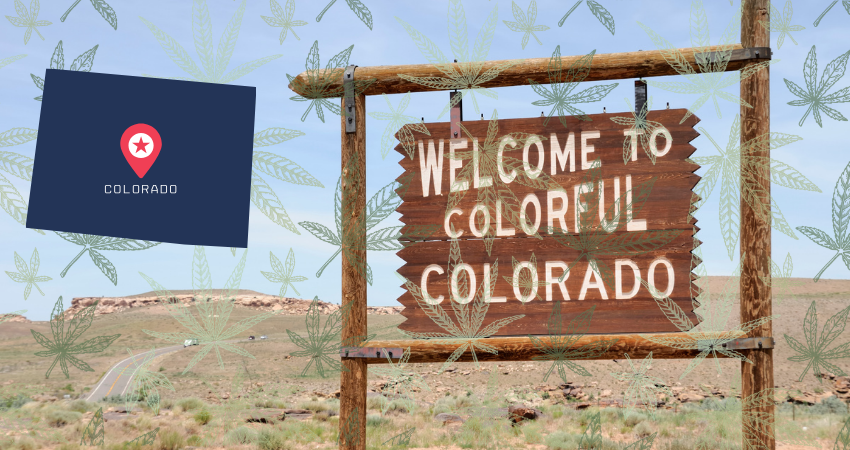
Colorado has one of the most mature cannabis markets in the country
Colorado voters approved Amendment 64 in November 2012, and the first adult-use retail sales in the United States began here on January 1, 2014. More than a decade later, the state runs one of the oldest and most established regulated markets anywhere. That maturity matters for insurance: operators here tend to be sophisticated, competition is real, and the risks are well understood by the specialty markets that write this business.
The Colorado Marijuana Enforcement Division (MED), housed within the Department of Revenue, licenses and regulates both medical and retail marijuana. Colorado issues several license types, including cultivation facilities, product manufacturers (often called MIPs, for marijuana-infused products), retail stores, transporters, testing facilities and others. Each license type carries a different risk profile, and that shapes what coverage an operator actually needs.
Who needs cannabis coverage in Colorado
If you touch the plant or the products, you have exposure. The main operator types include:
- Dispensaries and retail stores. High foot traffic, cash and inventory on site, and product-liability exposure even though you didn't grow or manufacture what you sell. If a customer has a bad reaction, retailers are frequently named alongside cultivators and manufacturers.
- Cultivators. Growing operations carry crop, equipment and building exposure — plus the risk of losing plants at any stage from seed to harvest.
- Product manufacturers / MIPs. Extraction, infused-product and edibles operations carry meaningful product-liability and property risk. In Colorado, manufacturers are generally required to carry product liability coverage in order to transfer products.
- Transporters and distributors. Product in transit, vehicles and the cargo itself all need to be addressed.
- Ancillary and support businesses. Testing labs, equipment suppliers and service providers to the industry have their own exposures.
One requirement applies broadly: Colorado cannabis businesses with employees are legally required to carry workers' compensation insurance, the same as any other employer in the state.
Key coverages — and the gaps that catch operators off guard
Cannabis coverage looks familiar on the surface but behaves very differently underneath. The lines most operators consider:
- General liability — third-party bodily injury and property damage, and often a requirement in leases and lender agreements.
- Product liability — claims tied to the products you cultivate, manufacture or sell.
- Commercial property — buildings, equipment, tenant improvements and finished inventory.
- Crop / stock coverage — plants and product, which standard property policies typically exclude.
- Commercial auto and cargo — vehicles and product in transit.
- Workers' compensation — required for businesses with employees.
- Management liability and cyber — increasingly relevant as operators scale.
The gaps are where a specialty agency earns its keep. Because cannabis remains federally classified as a Schedule I substance, federal crop insurance programs do not apply, so cultivators need purpose-built crop and stock coverage instead. Many product-liability forms carry exclusions worth reading closely — vape and inhalable exclusions, broad health-hazard exclusions, and limits on product recall. A policy that looks complete can still leave a cultivator's plants or a manufacturer's recall exposure uncovered. Limits also matter: many programs cap at common per-occurrence and aggregate amounts, which may or may not fit your operation. Details, terms and eligibility are always subject to underwriting.
Why an independent specialty agency helps
There isn't a single "best" cannabis insurer in Colorado, because no one carrier is the right fit for every operation. This is surplus-lines territory, where products, appetites and exclusions vary widely between programs — and change often. An independent specialty agency isn't tied to one carrier. It can shop multiple cannabis markets, compare the fine print, and match coverage to how your business actually operates.
Spire works specifically with cannabis and other underserved industries, so we speak the language of MED license types, seed-to-sale operations and the exclusions that matter. We represent the operator, not a single insurer.
How to choose coverage for your Colorado cannabis business
- Match coverage to your license type. A cultivator's needs differ sharply from a dispensary's or a transporter's.
- Read the exclusions, not just the limits. Ask specifically about crop, vape/inhalables, health hazard and product recall.
- Confirm your required lines. Workers' comp for employees, and product liability for manufacturers transferring product.
- Work with an agency that knows cannabis. Industry-specific underwriting questions and program knowledge lead to a better-fitting placement.
- Revisit coverage as you grow. Adding a new license type, location or product line changes your risk.
Frequently asked questions
Is cannabis insurance required in Colorado? Some coverages are. Businesses with employees must carry workers' compensation, and manufacturers are generally required to carry product liability to transfer products. Beyond that, leases and lenders often require general liability. Talk with an agent about what applies to your specific operation.
Do standard business insurers cover cannabis operations? Most standard commercial carriers exclude cannabis. Coverage typically comes through specialty and surplus-lines programs built for the industry. That's why working with an agency that focuses on cannabis matters.
Does regular crop insurance cover cannabis cultivators? No. Because cannabis is federally classified as a Schedule I substance, federal crop insurance programs don't apply, and standard property policies generally exclude crop. Cultivators need specialized crop and stock coverage instead, subject to underwriting.
Why do dispensaries need product liability if they don't manufacture anything? Retailers can still be named in claims tied to a product. If a customer alleges harm, plaintiffs often name everyone in the chain — including the store that sold it — so retail product-liability exposure is real.
What is a MIP in Colorado, and what coverage does it need? MIP stands for marijuana-infused products manufacturer. These operations carry product-liability and property exposure, and are generally required to carry product liability to transfer product. Extraction and edibles work can add further underwriting considerations.
Is there really a "best" cannabis insurer in Colorado? Not universally. The best fit depends on your license type, size, location and risk profile. Because this is surplus-lines business with varied appetites and exclusions, an independent agency that shops multiple markets is usually more useful than any single carrier.
Are vape and inhalable products harder to insure? They can be. Many product-liability forms carry vape or inhalable exclusions or reduced limits. If your operation touches these products, it's worth confirming exactly how a policy treats them before you bind.
How much does cannabis insurance cost in Colorado? Premiums vary widely by operation, coverage, limits and underwriting. We don't quote a set price — an agent reviews your business and shops the specialty markets for options. You can take our insurance cost calculator for free right now to get a general estimate of how much your business's insurance will cost. All coverage is subject to underwriting.
Talk with a specialty agent
If you operate a cannabis business in Colorado, Spire can help you compare specialty-market options built for your license type — from dispensaries and cultivators to manufacturers and transporters. Reach out for a conversation about coverage that fits how you actually operate. Coverage is subject to underwriting and is not bound or altered until confirmed by an authorized representative.
.png)



.png)