Cannabis businesses in Illinois are insured through specialty and surplus-lines programs, not standard commercial carriers, because marijuana is still federally Schedule I. There is no single "best" insurer — the right fit depends on your license type and operation. An independent specialty agency like Spire shops those markets for Illinois operators, subject to underwriting.
Cannabis is legal in Illinois — but insurers still treat it differently
Illinois legalized adult-use cannabis under the Cannabis Regulation and Tax Act (410 ILCS 705), with legal sales beginning January 1, 2020. It was the first state to legalize an adult-use market through legislation rather than a ballot measure. The market is regulated by two agencies: the Illinois Department of Financial and Professional Regulation (IDFPR) licenses and oversees dispensaries, and the Illinois Department of Agriculture licenses cultivation centers, craft growers, processing organizations (infusers), and transporters.
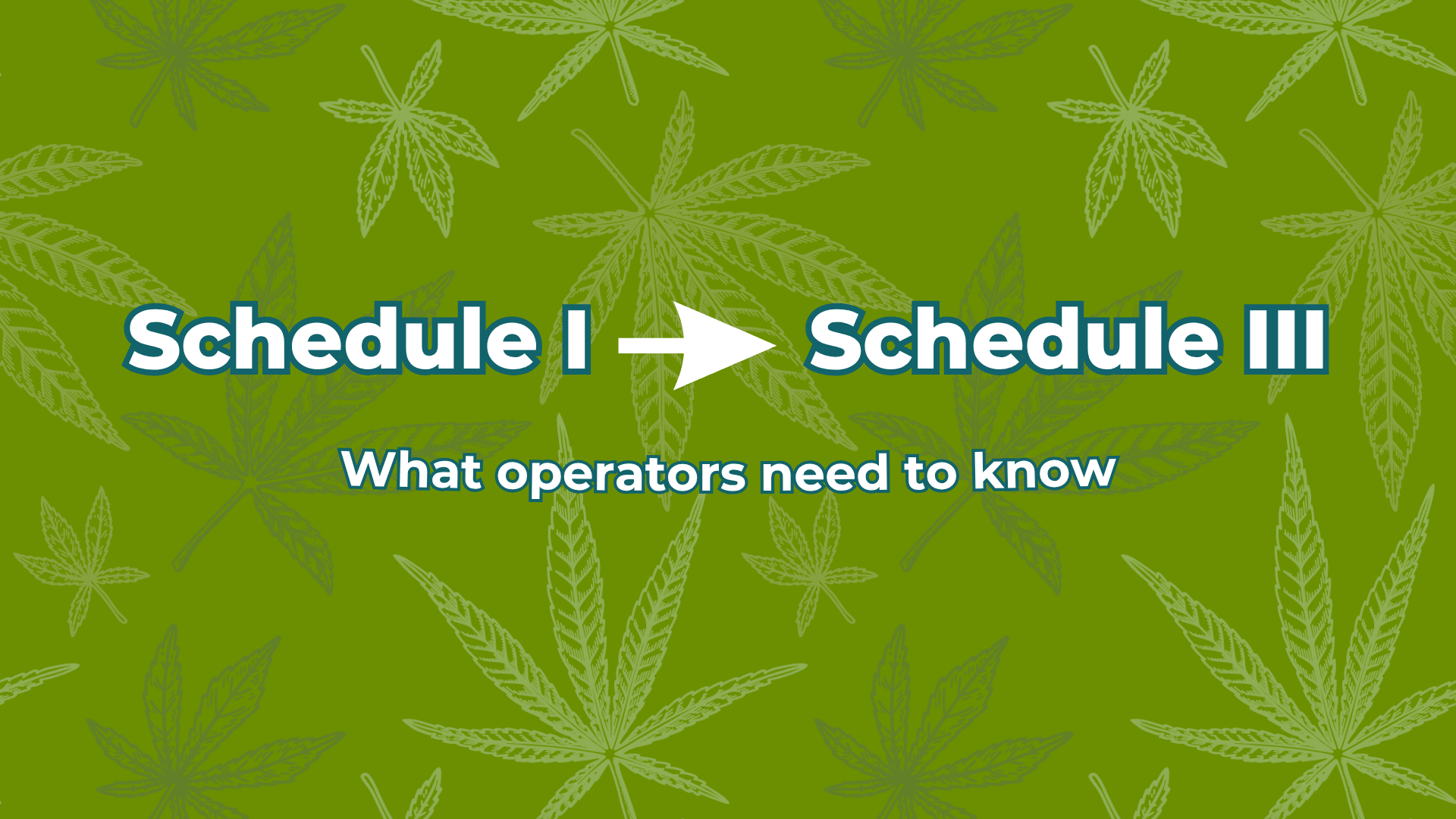
So the product is legal, licensed, and taxed at the state level. The insurance problem is federal. Because cannabis remains a Schedule I controlled substance under federal law, most standard commercial carriers won't write it — and many standard policies now include express cannabis or "contraband" exclusions that can leave an operator paying premiums for coverage that doesn't respond when it matters. That's the gap specialty insurers exist to fill.
Who needs cannabis coverage in Illinois
Every licensed touch point in the supply chain carries its own risk profile:
- Dispensaries — high public foot traffic, cash handling, theft exposure, and direct customer contact. General liability and product liability tend to be the baseline conversation here.
- Cultivation centers and craft growers — living crop, high-value equipment, fire and environmental exposure, and finished-stock inventory that a standard property policy typically won't cover.
- Processors and infusers — product manufacturing risk, edibles and concentrates, and the product liability exposure that comes with anything a consumer ingests or inhales.
- Transporters — cargo in transit, auto liability, and high-value loads moving between licensed facilities.
Ancillary and support businesses that serve the industry can face appetite challenges too, even when they never touch the plant.
The coverages that matter — and the gaps standard policies leave
Illinois cannabis operators commonly look at a stack of coverages: general liability, product liability, commercial property, business personal property, crop and finished-stock, business auto and cargo, workers' compensation, and management lines like directors and officers (D&O), employment practices liability (EPLI), and cyber. Illinois also requires a surety bond for cannabis businesses, which is a separate instrument from your liability coverage.
The real risk isn't just buying coverage — it's buying the wrong coverage. A few gaps show up over and over:
- The illegality / contraband exclusion. Many standard property forms exclude property "in the trade" of a federally illegal substance, which insurers have used as a basis to deny cannabis claims.
- Product liability carve-outs. Product liability is frequently excluded from standard general liability policies, and some cannabis forms attach health-hazard endorsements that narrow what an ingestion or inhalation claim will actually cover.
- Crop and finished stock. Standard property policies typically exclude living plants and cannabis inventory, so a grower without a purpose-built form may have no protection for their most valuable asset.
These aren't reasons to panic — they're reasons to read the form carefully. An agent can walk you through where a policy responds and where it stops.
Why an independent specialty agency helps in Illinois
Most cannabis coverage in the U.S. is written in the non-admitted (surplus-lines) market, where a handful of specialty programs compete and appetites shift frequently. A single carrier only shows you its own box. An independent specialty agency isn't tied to one market — it can take your Illinois operation to multiple specialty cannabis insurers and compare terms, exclusions, and limits side by side.
That matters more in cannabis than in almost any other class, because the differences between programs live in the endorsements, not the headline. Spire works in this space every day across regulated and underserved industries, and Illinois is one of the states where we're licensed to help. We get how a craft grower's exposure differs from a dispensary's, and we shop accordingly — subject to underwriting.
How to choose a cannabis insurer or agency
- Confirm they actually work in cannabis. Ask how many programs they can access and whether they place surplus-lines business.
- Read the exclusions first, not the price. The cheapest quote with a product-liability carve-out or a contraband exclusion isn't the best deal.
- Match the coverage to your license type. A transporter and an infuser need very different policies.
- Ask about claims support. In a market this specialized, knowing who advocates for you at claim time is worth as much as the premium.
- Work with someone independent. An agency that can compare multiple markets will almost always serve you better than a single-carrier quote.
FAQ
Is cannabis insurance required in Illinois? Illinois cannabis businesses are subject to insurance and bonding obligations under state cannabis rules, and many operators also carry coverage their leases or lenders require. Requirements vary by license type — an agent can walk you through what applies to your operation.
How much does cannabis insurance cost in Illinois? There's no flat rate. Premiums depend on your license type, revenue, location, security, claims history, and the coverages you choose — all subject to underwriting. The most reliable way to get a real number is to have an agent shop the specialty markets for your specific operation or you can take Spire's insurance cost calculator quiz for free to get a quick estimate!
Does cannabis insurance cover product liability? It can, but product liability is often excluded from standard general liability policies and sometimes narrowed by health-hazard endorsements even in cannabis forms. This is exactly the kind of gap to review line by line before you buy. An agent can confirm how a given policy responds.
Why won't standard insurance companies cover my Illinois cannabis business? Because cannabis remains federally Schedule I, most standard carriers decline the risk or attach cannabis and "contraband" exclusions. That's why most coverage is written in the specialty, non-admitted (surplus-lines) market.
Can I insure an Illinois cultivation or craft grow operation? Yes, specialty programs write cannabis cultivation and craft grow risks, including options for crop and finished-stock exposure that standard property policies typically exclude. Coverage and terms are subject to underwriting.
Can I insure a cannabis transport operation in Illinois? Specialty markets can address transporter exposures such as cargo in transit and auto liability. The right structure depends on your fleet, routes, and load values — an agent can help you build it.
What coverages should an Illinois dispensary consider? Dispensaries commonly look at general liability, product liability, commercial property and business personal property, and workers' compensation, among others. The right mix depends on your operation.
Do I have to work with a cannabis-specialty agency? You don't have to, but it helps. Specialty agencies know which surplus-lines programs have appetite for Illinois cannabis risk and can compare terms across markets rather than offering a single carrier's quote.
Ready to talk it through?
If you operate a licensed cannabis business in Illinois — dispensary, cultivation center, craft grow, processor, or transporter — Spire can shop the specialty markets for your operation and help you compare terms, subject to underwriting. Request a quote or talk to a Spire agent to get started.
.png)





.png)