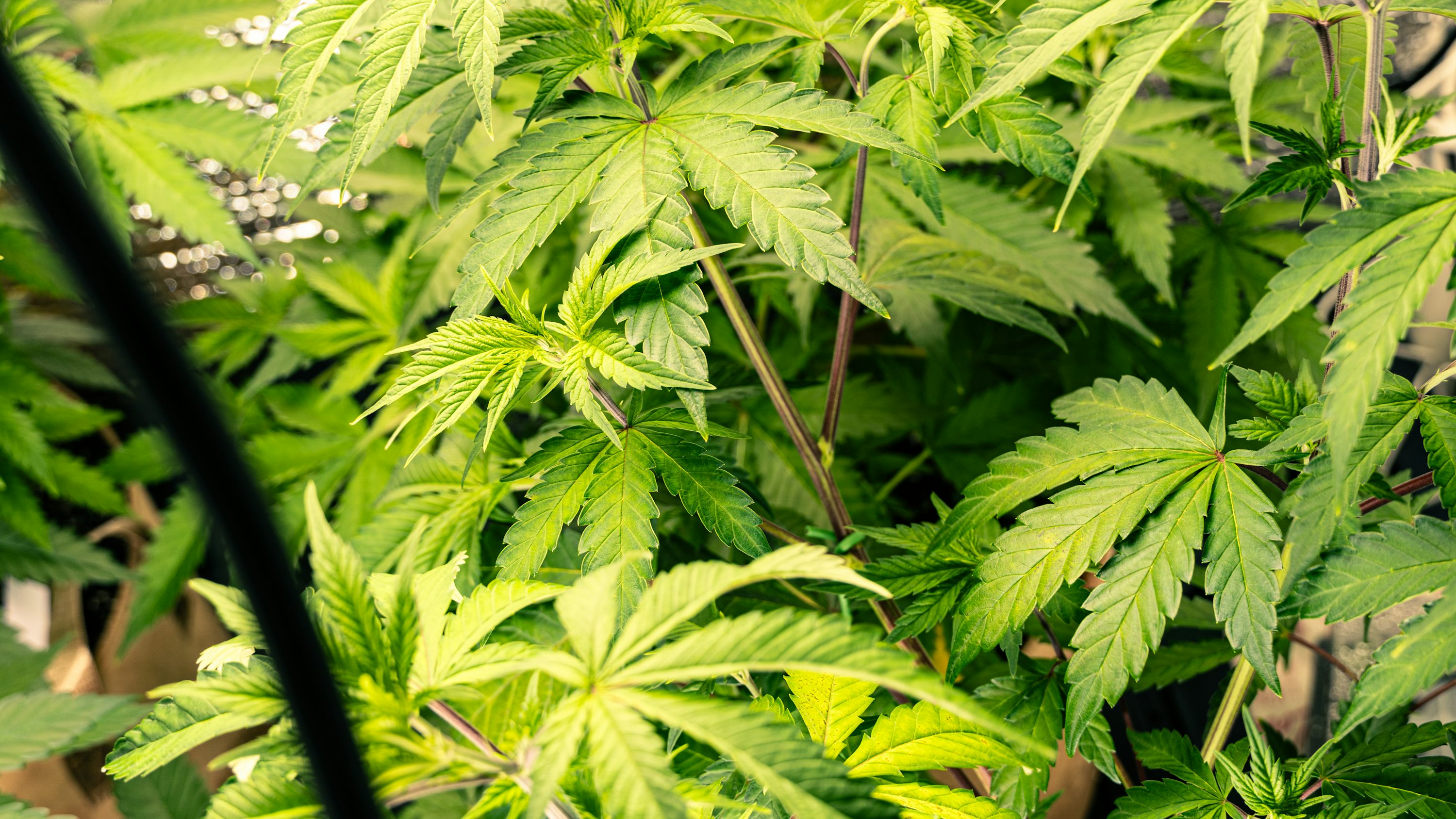
If you cultivate cannabis — indoor, outdoor, or greenhouse — your insurance needs are fundamentally different from a dispensary or a processor. The exposures stack differently, and the policy forms that work for retail don't work for a grow.
Here's a complete walkthrough of the coverages a serious cultivation operation should carry, what each one actually does, and the specific cannabis-cultivation pitfalls in each.
The seven coverages every cultivator needs
1. Commercial general liability (CGL)
Covers third-party bodily injury and property damage claims arising from your operations. For cultivators, this includes a visitor injured at your facility, contamination from your crop affecting a neighboring property, and other off-premises exposures. Look for:
- Cannabis-explicit endorsement (no Schedule I exclusion)
- Per-occurrence and aggregate limits sized to your revenue scale
- Defense costs outside the limit (so your defense doesn't eat your coverage cap)
2. Products liability / completed operations
Covers claims arising from harm caused by your finished product. For cultivators selling to dispensaries, this is the coverage that protects you if your flower is implicated in an adverse event. Critical for pesticide/contamination claims, mislabeled THC content, and mold or pathogen contamination.
3. Property insurance (with cannabis schedule)
Covers your facility, equipment, lighting, HVAC, and stored harvest. The biggest gap most cultivators have here: under-scheduling. Lighting alone for a serious indoor grow can run $200K–$1M+. Schedule it explicitly at replacement cost, not actual cash value.
4. Crop insurance (where available)
The plant itself is not covered under property. You need a crop endorsement that specifically covers cannabis as a plant. Coverage varies dramatically by state, by carrier, and by indoor vs. outdoor.
5. Workers' compensation
Required by law in most states. Cannabis cultivation classifications are still maturing — confirm your workers are coded correctly (cultivation worker is a different class from packaging or retail). Mis-classification at audit time can mean either back-premium or denied claims.
6. Crime / fidelity insurance
Covers theft, robbery, employee dishonesty, and money-in-transit. Cultivation facilities are higher-value theft targets than retail locations. Don't rely on the default crime sub-limits in your BOP — size them to actual on-site cash and product values.
7. Business interruption
If your facility is shut down by a covered loss, business interruption pays the lost revenue. For cultivation, the indemnity period needs to match your replanting cycle, not just rebuild time — a 90-day BI policy doesn't cover the additional time it takes to grow back to full canopy.
Three things to verify with your broker
- Is cannabis explicitly named as covered, or excluded, in each policy?
- Are limits sized to actual replacement value, not estimated?
- Does your business interruption indemnity period account for canopy rebuild time?
Coverage is subject to underwriting and varies significantly by carrier. Contact a Spire agent for a cultivation-specific review.
All coverage is subject to underwriting. No coverage is bound or altered until confirmed by an authorized Spire representative.
.png)
.png)