There's a disconnect happening in the bar and restaurant insurance market that most operators haven't caught onto yet — and it's costing some of them real money.
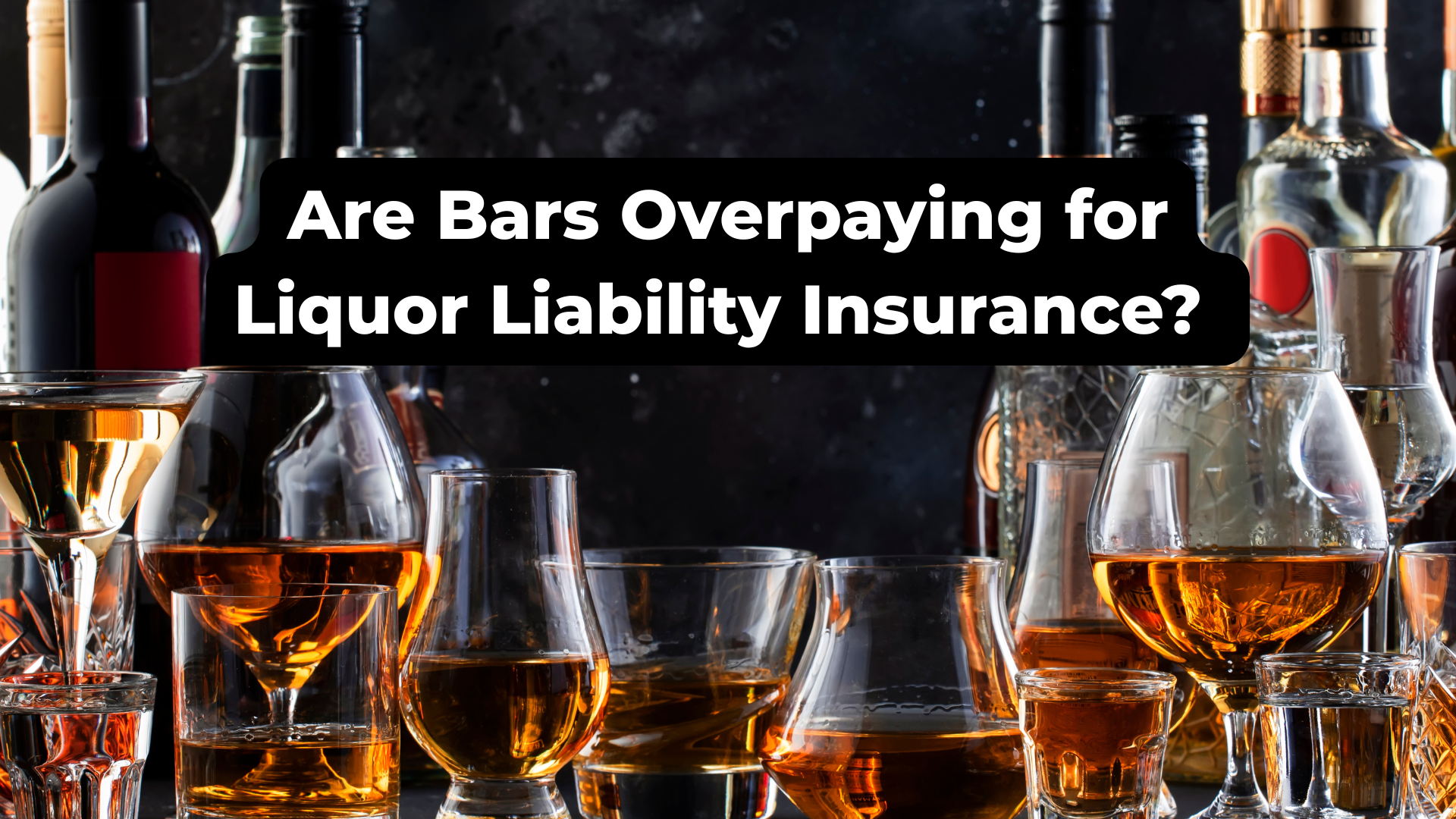
Alcohol consumption in the U.S. has declined measurably over the past several years. A growing share of the population is drinking less or not at all. Bar and restaurant receipts from alcohol sales have dropped as a percentage of total revenue at many establishments. And yet liquor liability insurance premiums haven't followed. In many cases, they've gone up. If your bar's alcohol revenue has dropped but your liquor liability premium hasn't, it's worth asking your broker why — and whether your coverage is still priced to your actual risk.
Why Liquor Liability Insurance Exists
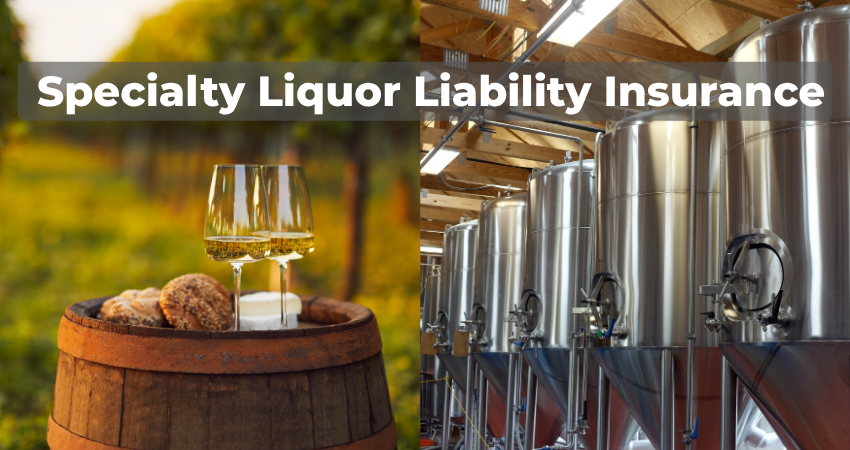
Liquor liability (sometimes called dram shop insurance) covers your business when a patron who was served alcohol at your establishment causes harm — a drunk driving accident, an assault, an injury. Every state with dram shop laws creates a legal path from a patron's actions back to your bar. That liability is real, and so is the insurance.
The pricing logic: bars that serve more alcohol, stay open later, operate in high-traffic areas, or have prior incidents pay higher premiums. Bars that serve less alcohol — lower volume, earlier closing times, food-forward menus — should, in theory, pay less.
The Gap Between Risk and Pricing
Here's the problem. Liquor liability pricing is largely built on submitted revenue data and underwriter judgment. If your policy was written or last reviewed two or three years ago, it may be priced on your alcohol revenue from a period when you were serving significantly more than you do today.
The national trend is real: alcohol sales have softened at food-and-beverage establishments, driven by the growth of sober-curious culture, the rise of zero-proof menus, a shift in consumer demographics, and lingering economic caution. For many operators, alcohol now represents a smaller share of total sales than it did in 2022 or 2023.
Insurance carriers aren't necessarily tracking that shift in your specific operation unless you tell them — specifically, with documentation.
What Actually Drives Your Liquor Liability Premium
Underwriters look at several factors when pricing liquor liability:
Gross alcohol receipts — this is typically the single most important rating variable. The higher your alcohol sales, the higher your premium.
Hours of operation — later hours (especially 1–4am) signal higher risk to underwriters regardless of your actual incident history.
Food vs. alcohol revenue ratio — establishments where food represents 50%+ of revenue are typically viewed more favorably than pure-alcohol venues.
Security practices — door staff, ID verification procedures, documented overservice policies.
Claim history — any dram shop claims or alcohol-related incidents in the prior five years will be reviewed carefully.
Location — proximity to highways, residential areas, and other nightlife density all factor in.
The big takeaway: if any of these have shifted favorably in your operation — lower alcohol sales volume, earlier close times, a food menu that's grown — your premium may not reflect it.
What You Can Do About It
1. Pull your actual revenue split.
Get your point-of-sale data showing alcohol vs. food vs. non-alcohol beverage revenue for the trailing twelve months. This is the number that matters most. If alcohol revenue has dropped as a share of your total sales, that's a legitimate underwriting input.
2. Ask your broker to re-shop the policy.
If your current policy is more than 18 months old and your operation has changed, ask for a fresh market submission with updated revenue data. A competitive specialty broker should be able to get quotes from multiple carriers.
3. Document your responsible service program.
Carriers look more favorably on establishments with written overservice policies, staff training records (TIPS or similar programs), and documented ID verification practices. These aren't just good operations — they're underwriting signals.
4. Review your hours of operation.
If your closing time changed — or if you've shifted from a late-night bar format to a dinner-and-drinks format — that's a material change worth reporting to your carrier.
5. Separate your liquor liability from your BOP if it's bundled.
Some operators carry liquor liability as an add-on to a business owner's policy from a carrier that isn't competitive in hospitality. A standalone liquor liability policy from a specialty market may be better priced for your actual risk profile.
The Compliance Note Worth Stating
This isn't a suggestion to underreport revenue or misrepresent your operation to an insurer. Submitted revenue figures must be accurate — misrepresentation on an application is a basis for claim denial. The point is: if your actual revenue has changed, your submitted figures should reflect that at renewal, and your premium should follow.
Talk to a Broker Who Knows Food & Beverage
Liquor liability is a specialized line. Not every commercial broker has the market relationships to actually move the needle here. Spire Insurance Solutions works with food and beverage operations — bars, restaurants, taprooms, catering companies — across 16 states.
If you think your premium may not reflect your current operation, we'll take a look.
📞 800-686-8664
📧 service@TheSpireTeam.com
🌐 spireamerica.com
Coverage subject to underwriting review, state availability, and accurate submission of all application information. This post is for general informational purposes only.
.png)
.png)