Who's Getting Hit the Hardest
According to the FLIP report, the business types with the highest claim activity are:
- Caterers — high event volume, off-site cooking and service, temporary staff, and venues outside the caterer's normal control create compounding exposures
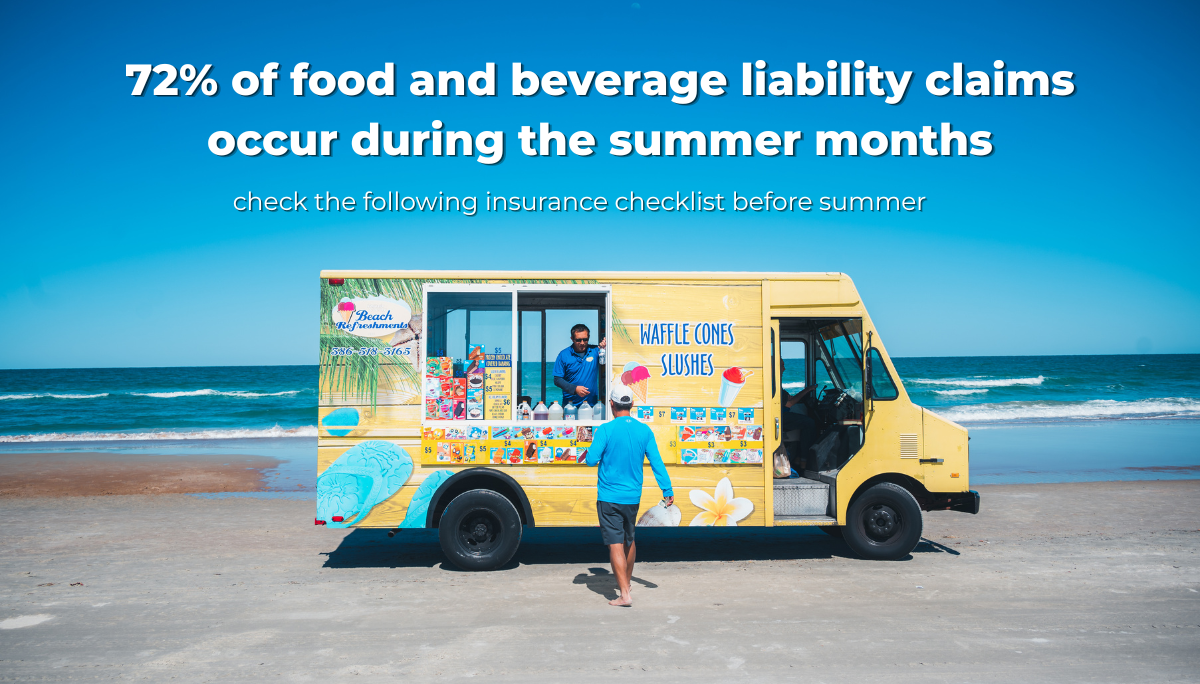
- Food trucks and trailers — mobile operations mean different risks at every location, including slip-and-fall on unfamiliar surfaces, generator fire exposure, and proximity to crowds
- Farmers market vendors — typically underinsured, often relying on a single general liability policy that may not cover product-related claims
If you operate any of these formats, summer 2026 is not the time to have coverage questions unanswered.
Claims Are Getting More Expensive
The FLIP report notes an industry-wide trend: while claims may not be getting more frequent, they're getting more expensive when they happen. Average payouts are climbing, driven in part by a legal environment that is "more aggressive than ever toward food service businesses," in the report's own framing — sharper plaintiff attorneys, rising nuclear verdicts, and dram shop statutes with genuine enforcement teeth.
Dram shop liability is no longer a formality. These laws, which can hold an establishment liable for damages caused by an intoxicated patron after leaving the premises, now have real consequences in 44 states. If your staff serves alcohol, your general liability policy almost certainly does not cover alcohol-related claims on its own. A separate liquor liability policy isn't optional — it's the thing standing between a bad night and a business-ending judgment.
A New Exposure Many Operators Haven't Thought About
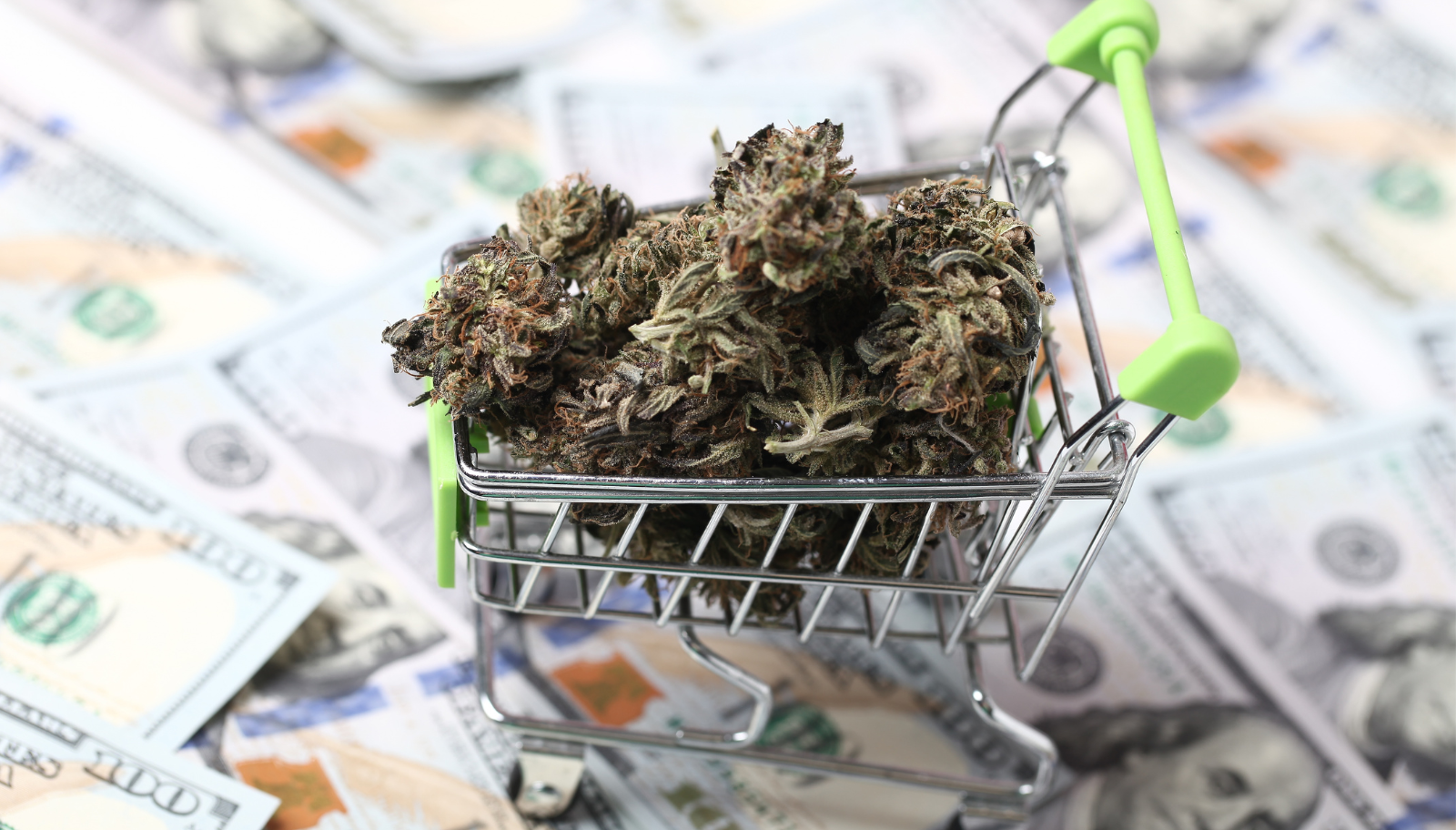
One emerging risk the 2026 landscape has introduced: cannabis-infused beverages. THC drinks are now appearing on menus and at events in legal states, flowing through beverage distribution networks into restaurants, bars, and even event venues. A standard liquor liability policy was written for alcohol. Whether it extends to THC beverage service is not a question you want answered for the first time during a claim.
Compliance note: If you're serving or considering serving THC beverages, talk to a specialized broker before assuming any existing policy covers that exposure. Coverage availability and terms vary, and this is a genuinely new risk category. We flag it here as an awareness item — not as a guarantee that specific coverage exists or is available in your state.
What to Check Before the Busy Season Peaks
Summer is roughly eight to twelve weeks of concentrated exposure. If you haven't reviewed your program since last year, here's a practical checklist:
General liability limits. Are they appropriate for your current revenue and foot traffic? A limit that made sense two years ago may not reflect what you're doing today.
Liquor liability. Is it in place, and does it accurately reflect how much of your revenue comes from alcohol service? Liquor liability is typically priced in part on your alcohol-to-food revenue ratio.
Product liability. If you manufacture, prepare, or sell food products — packaged goods, catered items, anything a customer consumes — this coverage matters. Contamination events and food-related illness claims are separate from general liability.
Workers' compensation. Seasonal staff are often your most undertrained and most likely to have a workplace injury. Summer hiring is a coverage trigger worth noting.
Business interruption. If a kitchen fire, a health department closure, or a weather event shuts you down during your highest-revenue weeks, does your policy include income protection?
Special event coverage. Catering an outdoor wedding, running a booth at a festival, or handling a corporate event off-site may not be automatically covered under your standard policy. Confirm with your broker before the date.
The Margin Equation
The FLIP report notes a paradox heading into 2026: operator confidence is high — 81.7% of food and beverage businesses feel good about where things are headed. But rising food costs and expensive claims are squeezing margins at the same time. A significant uninsured or underinsured loss during peak season doesn't just hurt this summer. It can permanently alter a business's trajectory.
The best time to review your coverage was before the season started. The second-best time is now, while there's still runway to make adjustments before July 4th weekend — which, historically, is one of the highest-claim days on the food service calendar.
Spire works with restaurants, bars, catering operations, food trucks, and venues in our licensed states. If you want to talk through your current program, reach us at service@TheSpireTeam.com or 800-686-8664.
All coverage subject to underwriting approval and carrier availability by state. Policy terms, limits, and inclusions vary.
.png)