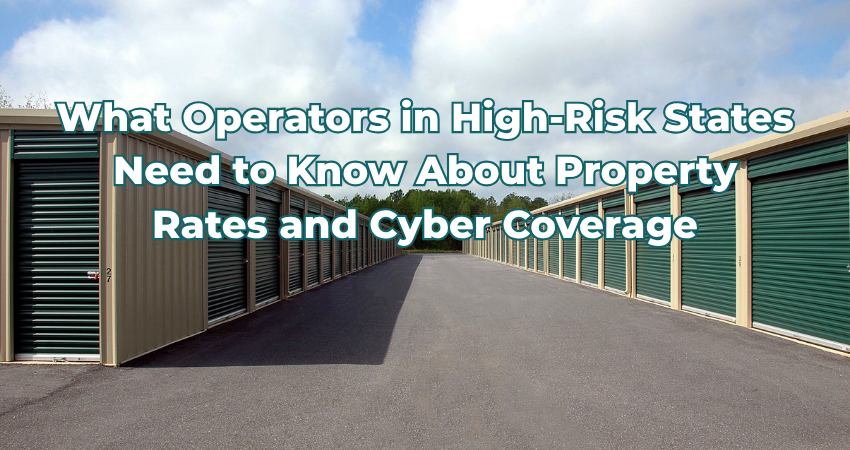
If you're running a self-storage facility on a standard commercial policy, there's a reasonable chance you have gaps you haven't thought about. Here's what to review:
Liability from Tenant Disputes and Property Claims
The most common liability exposure in self-storage comes from tenants claiming their stored property was damaged, stolen, or destroyed. A water intrusion event, a break-in, or a facility fire can generate dozens of simultaneous claims from tenants who believe you're responsible for their losses.
Here's the legal nuance most operators don't fully understand: your rental agreement almost certainly limits your liability. But tenants don't always accept that limitation, and courts don't always enforce it cleanly. Even a defensible claim costs money to defend.
What you need: Customer Goods Legal Liability (CGLL) coverage, sometimes called Care, Custody & Control coverage in this context. This covers your legal obligation for tenant property up to the policy limits, separate from general liability.
Slip and Fall and Premises Liability
Self-storage facilities have large footprints — outdoor access areas, loading zones, elevator corridors, lighting throughout. Any slip, fall, or injury on your property can generate a premises liability claim. This is standard general liability territory, but the size and layout of self-storage facilities makes the exposure different from a retail storefront.
Make sure your GL limits are appropriate for your facility's square footage and customer traffic volume, not sized for a business half your footprint.
Crime and Employee Dishonesty
Self-storage facilities handle cash payments, have access to hundreds of individual units, and often operate with minimal on-site staff. Employee theft, unauthorized access, and third-party break-ins are all real exposures. Commercial crime coverage — separate from property insurance — covers losses from theft, forgery, fraud, and employee dishonesty.
Cyber Risk from Digital Operations
Approximately 85% of customer interactions in self-storage now happen through digital channels — online reservations, automated payments, digital access control, and app-based account management. That's a significant cyber exposure. A data breach involving tenant payment information, or a ransomware attack locking your access control systems, can be operationally and financially devastating.
If your policy doesn't include a cyber liability component, it's worth asking your broker why.
What's Driving Insurance Costs Up in 2026
Property premiums for self-storage facilities have risen over the past several years, driven by:
- Increased claims severity — supply chain disruptions pushed repair and rebuild costs significantly higher, and those costs haven't fully normalized
- Weather losses — extreme weather events have hit storage facilities hard, particularly roofing and exterior structure claims
- Carrier exits — some regional markets have seen carriers reduce appetite for the class, concentrating remaining capacity and putting upward pressure on pricing
This doesn't mean your renewal should shock you. It means working with a broker who can access multiple markets and present your facility accurately is more valuable than it was three years ago. An underwriter seeing LED lighting, modern surveillance, gated access, and good loss history views your risk very differently than a generic submission.
The Coverages Self-Storage Operators Should Be Reviewing
General Liability — your baseline premises and operations coverage; verify limits are appropriate for facility size and traffic.
Customer Goods Legal Liability — covers your exposure when tenants claim you're responsible for damage to or theft of their stored property.
Commercial Property — the building, structures, and business personal property, including any on-site office equipment, kiosks, or technology infrastructure.
Business Income — if a covered event forces a temporary closure or limits operations, business income coverage replaces lost revenue while you recover.
Commercial Crime — covers theft, employee dishonesty, and fraud losses.
Cyber Liability — increasingly essential given how digitally dependent self-storage operations have become.
Umbrella / Excess Liability — given the potential severity of a tenant property claim across a large facility, excess liability provides an important buffer above your primary GL limits.
Questions Worth Asking Your Broker
- When was the last time my CGLL limits were reviewed against my facility's actual tenant occupancy and average stored value?
- Does my policy include coverage for tenant property in outdoor units differently than interior climate-controlled units?
- Am I covered if my digital access control system is compromised and a break-in occurs as a result?
- How does my carrier view facilities with drive-up access versus multi-story elevator-access buildings?
The Bottom Line
Self-storage looks simple from the outside — but the liability profile of a facility managing hundreds of individual tenant relationships, significant cash flow, and large physical infrastructure is more complex than a standard commercial policy reflects. The operators getting ahead of this are the ones doing regular policy reviews with a broker who knows the class.
Spire Insurance Solutions works with self-storage operators across 16 states. If you'd like a coverage review or a second opinion on your current program, our team is available.
📞 800-686-8664
📧 service@TheSpireTeam.com
🌐 spireamerica.com
Coverage subject to underwriting review and state availability. This post is for general informational purposes and does not constitute legal or insurance advice.
.png)





.png)