It's one of those facts that gets passed around: “The original American flag was made of hemp.” Cannabis advocates love it. History buffs raise an eyebrow. So what's actually true?
The short answer: probably not the flag itself, but yes for almost everything around it
The story tied to Betsy Ross's 1776 flag specifically can't be definitively proven — the actual physical flag has been lost to history, and contemporary records don't specify the fabric content. What IS well-documented is hemp's central role in early American manufacturing.
Hemp in colonial America
Hemp was so essential to the colonies that several states actually required farmers to grow it. Specific historical examples:
- Sails and rigging: The Royal Navy and American merchant fleet ran on hemp sails and hemp ropes — cotton and synthetic alternatives didn't yet exist or weren't competitive.
- Paper: Drafts of the Declaration of Independence were written on hemp paper, though the final official copy was on parchment.
- Clothing and textiles: Coarse work clothing, blankets, and military uniforms were often hemp or hemp-blend.
- Currency and bonds: Some early American paper currency and government bonds were printed on hemp paper.
So while the specific Betsy Ross flag is unverified, the broader claim — that hemp was woven into the founding of America — is unambiguously true.
What changed
Industrial hemp remained a major American crop into the early 20th century, peaking during World War II when the federal government's Hemp for Victory campaign pushed farmers to grow hemp for parachute cordage and military rope. After 1937, federal restrictions and shifting agricultural priorities pushed hemp out of mainstream production for decades.
The 2018 Farm Bill federally legalized commercial hemp cultivation again, opening the modern hemp industry that operators are growing into now.
Why this history matters
Hemp isn't a fringe novelty crop. It's a foundational American material that took an 80-year detour through prohibition. Operators building modern hemp businesses are working in a market that's both very new and very old at the same time.
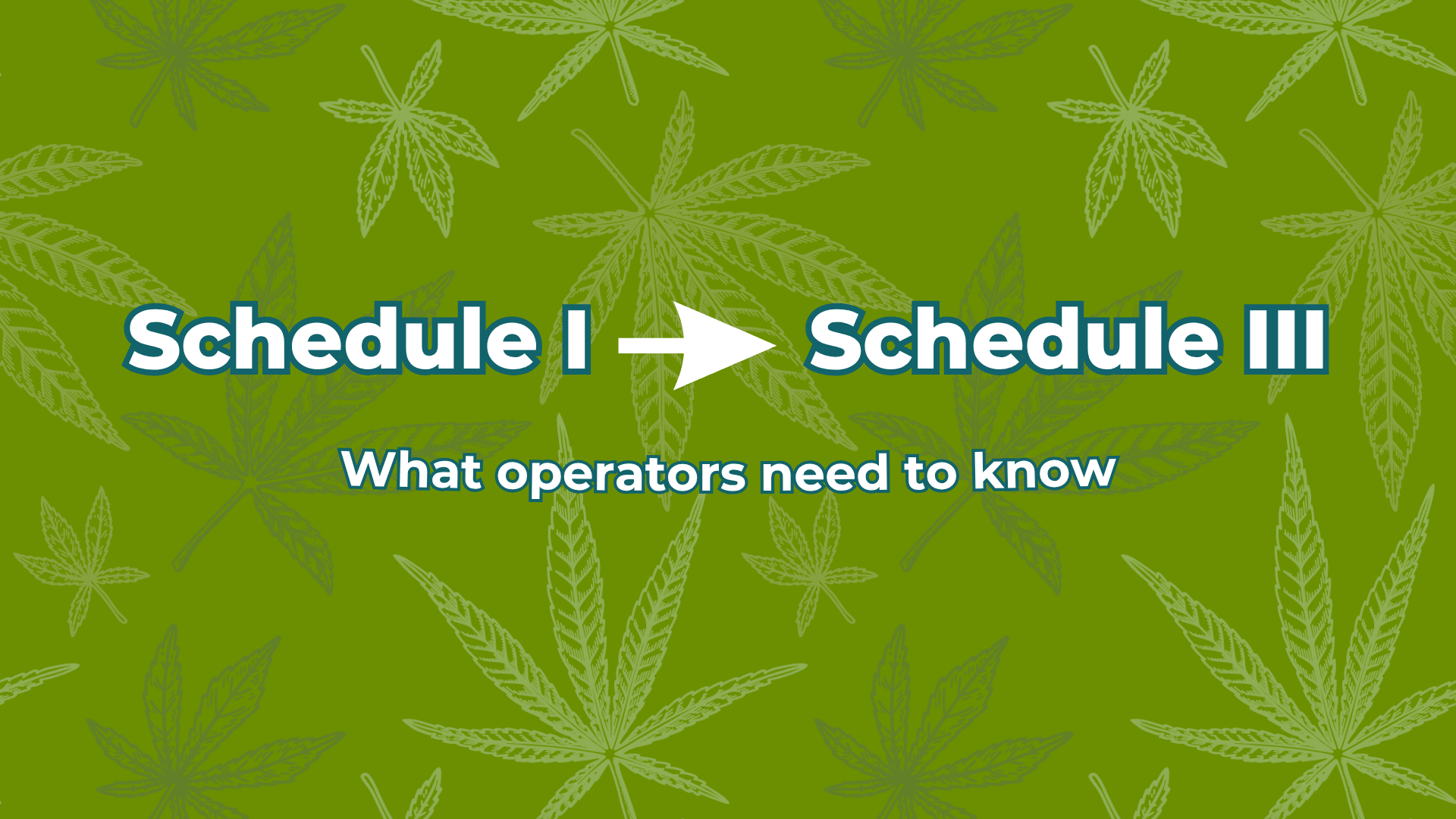
For insurance purposes, hemp's federal legal status (post-2018 Farm Bill) creates very different coverage paths than cannabis. Operators expanding into hemp should review specialty programs that explicitly cover Farm-Bill-compliant hemp products.
All coverage is subject to underwriting.
.png)



.png)