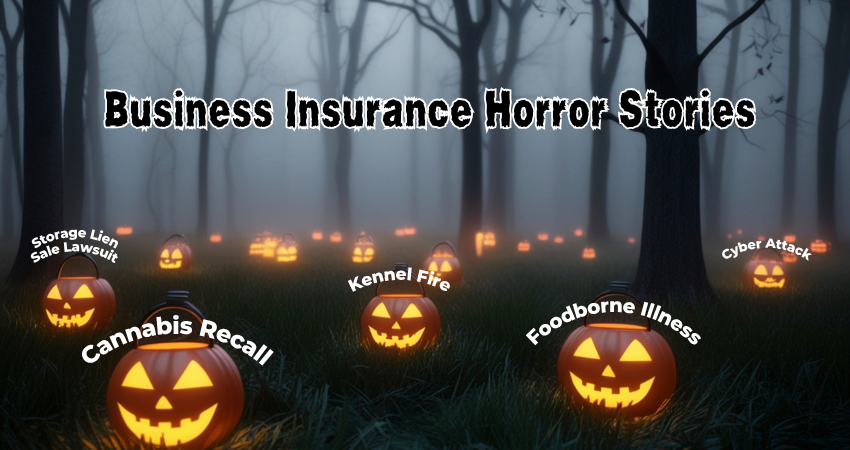
Halloween gets us thinking about things that go bump in the night — but if you own a cannabis operation, a boarding facility, a self-storage site, or a restaurant, the things that actually keep you up at night aren't costumes and candy. They're the "what if" scenarios: the recall, the fire, the lawsuit, the breach. The stuff that's genuinely scary because it's genuinely real.
We pulled five true stories — recalls, fires, outbreaks, and breaches that actually happened to real businesses — because knowing exactly how they played out is a lot more useful than a vague sense of dread. Every one of them has a fix. That's the whole job.
1. The $229 Million Recall No One Saw Coming (Cannabis)
In November 2021, Michigan's cannabis regulator ordered one of the largest marijuana product recalls in U.S. history — more than 400 retail locations statewide, after the agency found "inaccurate and/or unreliable" lab results from the testing facilities Viridis Laboratories and Viridis North. Products tested between August 10 and November 16 were pulled from shelves almost overnight, and the recalled inventory was estimated at roughly $229 million (CBS News).
Here's the part that should actually worry a cannabis operator: the business getting hit with a recall often didn't do anything wrong. A testing lab's results were the problem — but it's the dispensary, processor, or cultivator holding the bag, eating the inventory loss, facing the compliance scramble, and fielding customer complaints.
The fix: product liability and product recall coverage built specifically for cannabis — not a generic retail policy that excludes the plant entirely. Most standard commercial carriers still won't touch cannabis risk at all, which is exactly the gap Spire exists to fill. See our cannabis & hemp insurance coverage or run the numbers on our cannabis cost estimator.
2. The Kennel Fire That Changed a State's Laws (Pet Care)
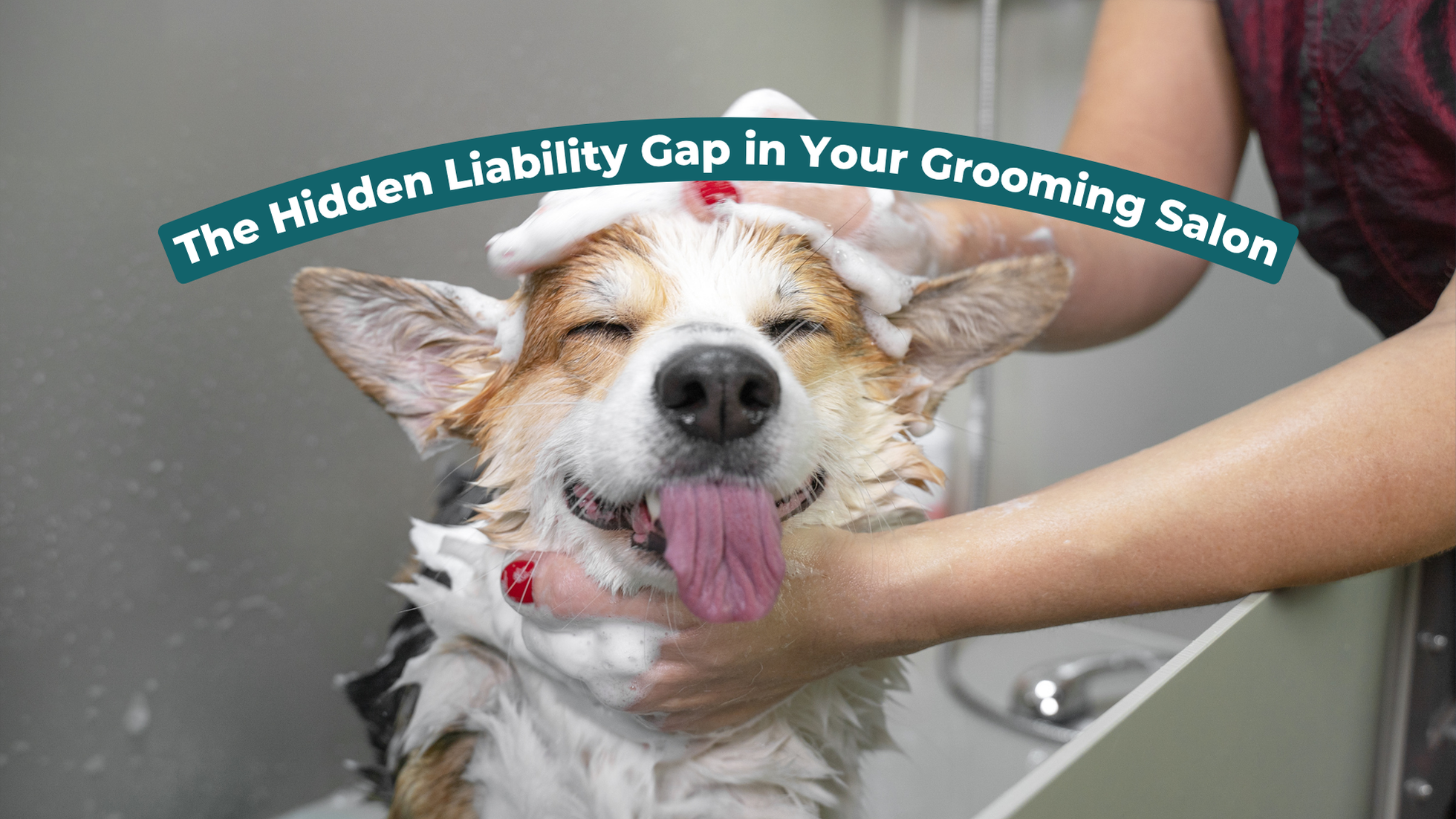
In January 2019, a fire broke out overnight at a Chicago-area boarding kennel with no staff on site. Twenty-nine dogs died. There was no one there to hear the alarms. The tragedy was significant enough that Illinois passed the nation's first kennel safety law just months later — requiring boarding facilities to either staff the building around the clock or install a fire alarm or sprinkler system that notifies the local fire department directly (Insurance Journal).
For a boarding, daycare, or grooming facility, this is the nightmare scenario: a catastrophic loss involving animals in your care, overnight, when you're not there to intervene. And it's not just the emotional weight — it's bailee liability (you're legally responsible for property, including animals, left in your care), potential negligence claims, and a business that may not survive the reputational hit without the right coverage already in place.
The fix: care, custody, and control coverage sized correctly for how many animals you actually house overnight, paired with general liability and property coverage that doesn't quietly exclude animal-related losses (a common gap in off-the-shelf commercial policies). See pet services insurance or get a quick number from our pet services cost estimator.
3. One Sick Line Cook, One Outbreak Investigation (Food & Beverage)
CDC surveillance data covering 2009–2015 found that 58.6% of foodborne illness outbreaks with an identified contributing factor involved food contamination by a worker who was ill or infectious (CDC MMWR Surveillance Summary 68(1)). Not bad storage. Not an undercooked order. A sick employee who came in anyway.
That's the part that's genuinely frightening if you run a restaurant, brewery, food truck, or catering operation: the outbreak doesn't require a dramatic failure. It requires one shift where someone didn't call out. And once health department investigators get involved, you're looking at potential closure, lost revenue during the investigation, legal exposure from affected customers, and a reputational hit that can outlast the actual event by months.
The fix: general liability with product liability coverage that actually extends to foodborne illness claims, plus business interruption coverage that keeps the lights on if you're ordered to close during an investigation. See food & beverage insurance.
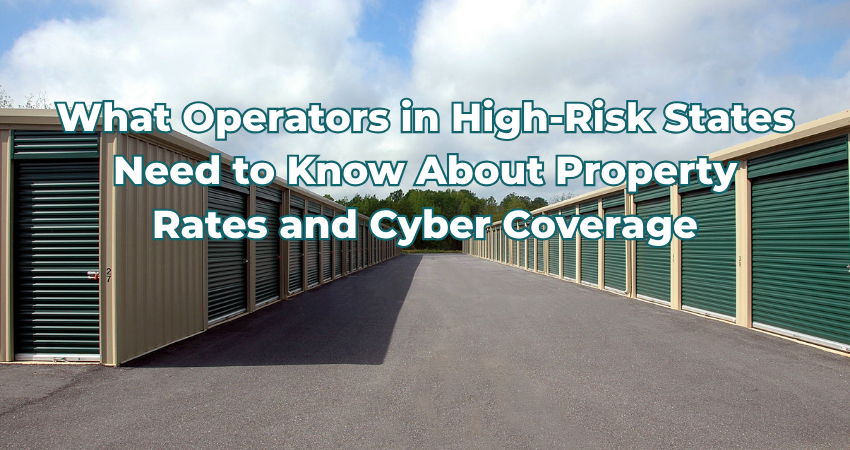
4. The Lien Sale That Turns Into a Lawsuit (Self-Storage)
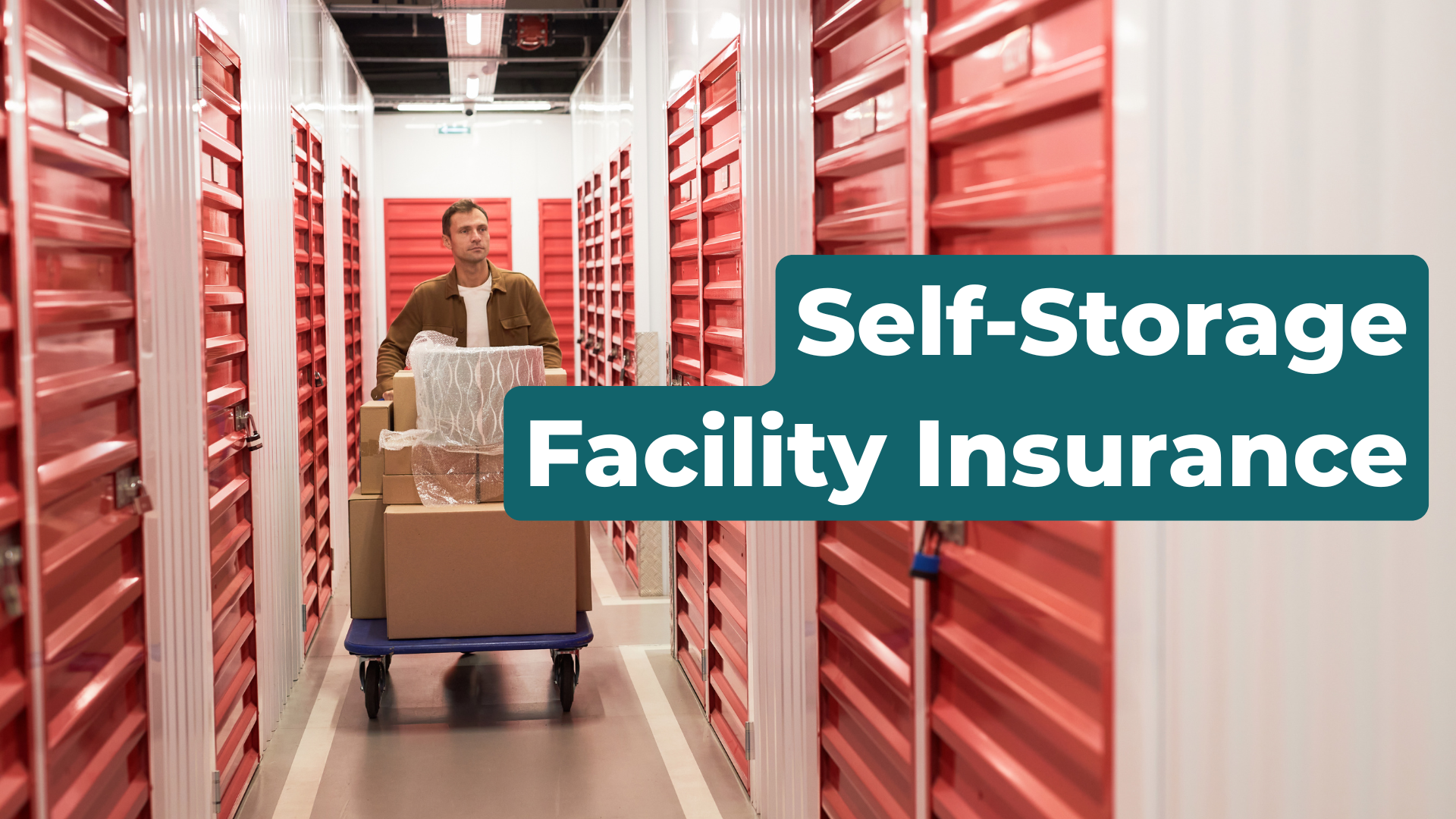
Self-storage facilities operate under lien laws that are a lot less forgiving than most owners realize. In Michigan, for example, the Self-Service Storage Facility Act (MCL 570.523) specifies the exact moment a facility's lien on a tenant's stored property legally attaches — the earlier of the date the property arrives or the date the rental agreement is signed — and lays out precise notice and sale procedures an owner has to follow before auctioning off an unpaid unit.
Every state with self-storage lien statutes has its own version of these rules, and they're not optional. Skip a notice requirement, sell a unit a day too early, or misstep on the sale process, and a routine delinquent-tenant situation can turn into a lawsuit — on top of whatever you were already dealing with from fire, water damage, or theft losses to tenant property you never directly handled.
The fix: general liability and property coverage sized for your facility, plus making sure your lien and sale procedures are documented and followed to the letter every time — insurance and process both matter here. See self-storage insurance or run your numbers through our self-storage cost estimator.
5. The $20.9 Billion Year (Every Industry)
This one doesn't care what you sell. The FBI's Internet Crime Complaint Center (IC3) logged over 1 million complaints in 2025 and reported roughly $20.9 billion in losses — a jump of about 26% from the year before. Business email compromise alone accounted for nearly $3.05 billion of that, across roughly 24,700 complaints (FBI IC3 2025 Internet Crime Report).
Business email compromise is the quiet one — a fake invoice, a spoofed email from "your vendor" asking for updated wire instructions, a payroll change request that looks exactly like it came from an employee. No ransomware screen, no dramatic breach notification. Just money that's gone by the time anyone notices. Every business with a bank account and a payroll run is a target, regardless of industry.
The fix: cyber liability coverage that specifically includes social engineering and fund transfer fraud (a lot of basic cyber policies don't), plus internal controls — a callback policy for any change to payment instructions, no exceptions, even for "the boss."
Keeping the Monsters Out Year-Round
None of these stories are rare one-offs — they're the realistic version of what can actually happen in these industries, which is exactly why they're worth taking seriously instead of scrolling past. A few things worth doing regardless of which story hit closest to home:
- Review your coverage annually, not just at renewal reminder time. Business risk changes faster than most policies get updated.
- Document your procedures — lien sales, sick-employee callouts, overnight facility checks, wire transfer approvals — and actually follow them. Insurance covers the loss; process prevents it in the first place.
- Ask what your policy excludes, not just what it covers. The gap that gets businesses is almost always the thing nobody asked about.
- Work with a broker who actually knows your industry. A generic commercial policy written for a standard retail shop often doesn't anticipate cannabis product recalls, bailee liability for boarding animals, or self-storage lien law — because it wasn't built for you.
That last one is the whole reason Spire exists. We built this agency specifically for the industries bigger carriers treat as an afterthought, which means we're not guessing at what you need — we already know where the gaps usually are.
Ready to see where your coverage actually stands? Talk to a Spire broker or get a starting estimate with our free cost calculator. No scary surprises, no obligation.
This article is for general informational purposes and is not a guarantee of coverage. Actual coverage is subject to underwriting, policy terms, and conditions. Nothing is bound until confirmed in writing by an authorized Spire representative.